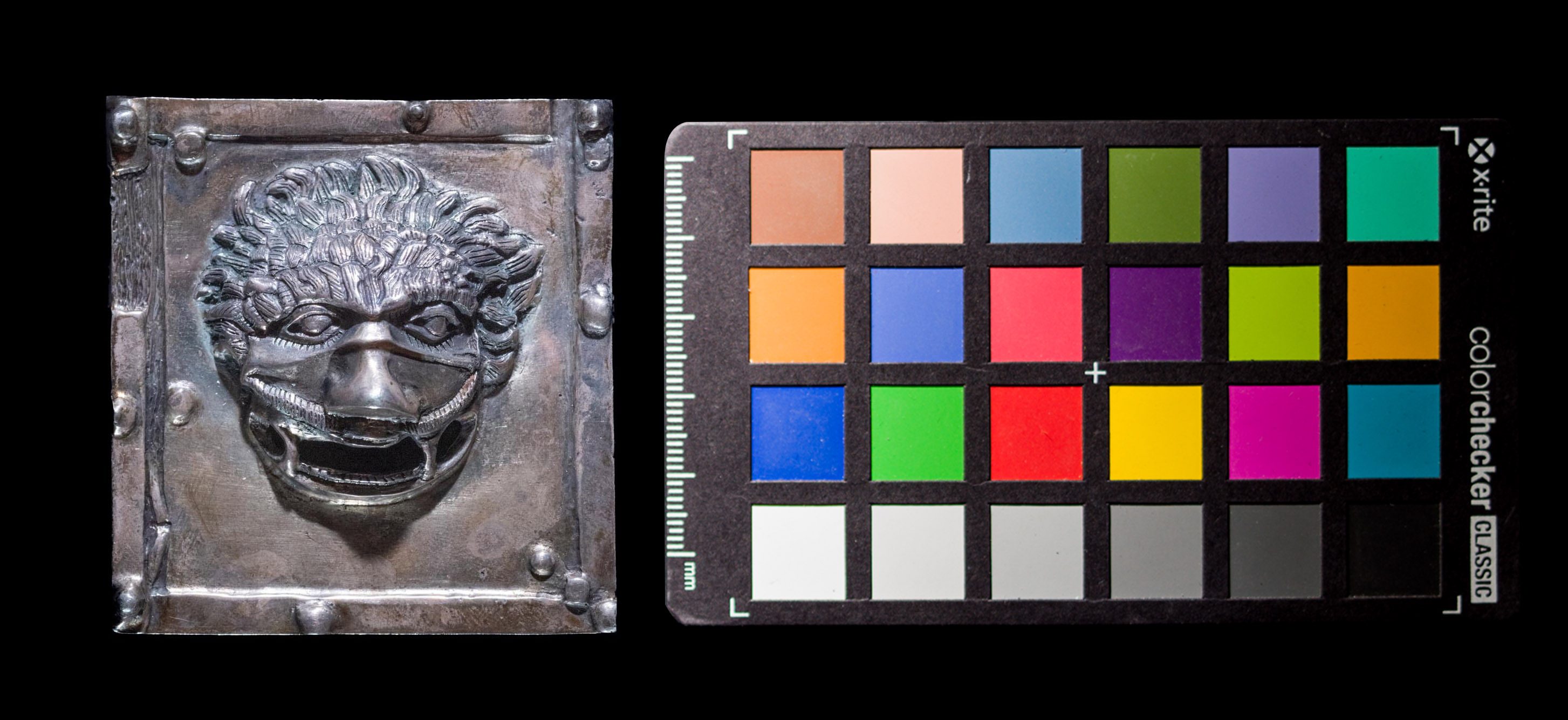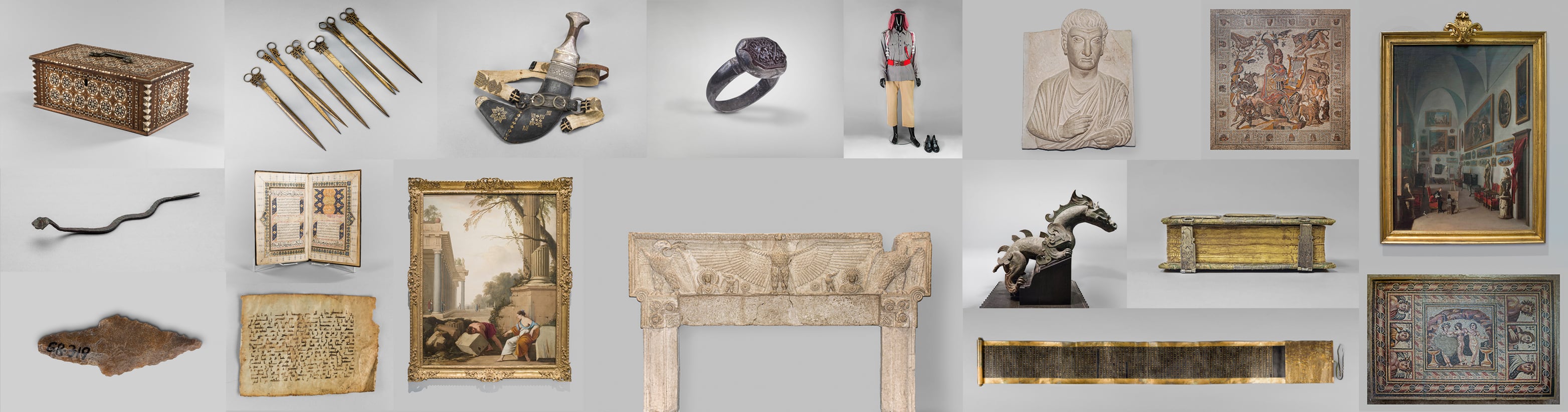
Digitizing a large museum collection is not a photography task—it is a systems-level operation. It requires the orchestration of logistics, conservation awareness, imaging science, and data architecture into a single, controlled workflow.I help museums transform complex, multi-type collections into structured, high-fidelity digital ecosystems—without compromising object safety, image integrity, or long-term usability.

Workflow Design & Quality Control
Large collections are managed through a structured, system-based workflow designed for consistency, efficiency, and control. Objects are grouped by type, size, and material, allowing standardized imaging protocols to be applied at scale. Predefined view sets, controlled capture parameters, and integrated quality control ensure uniform results across the entire collection while maintaining conservation-safe handling.
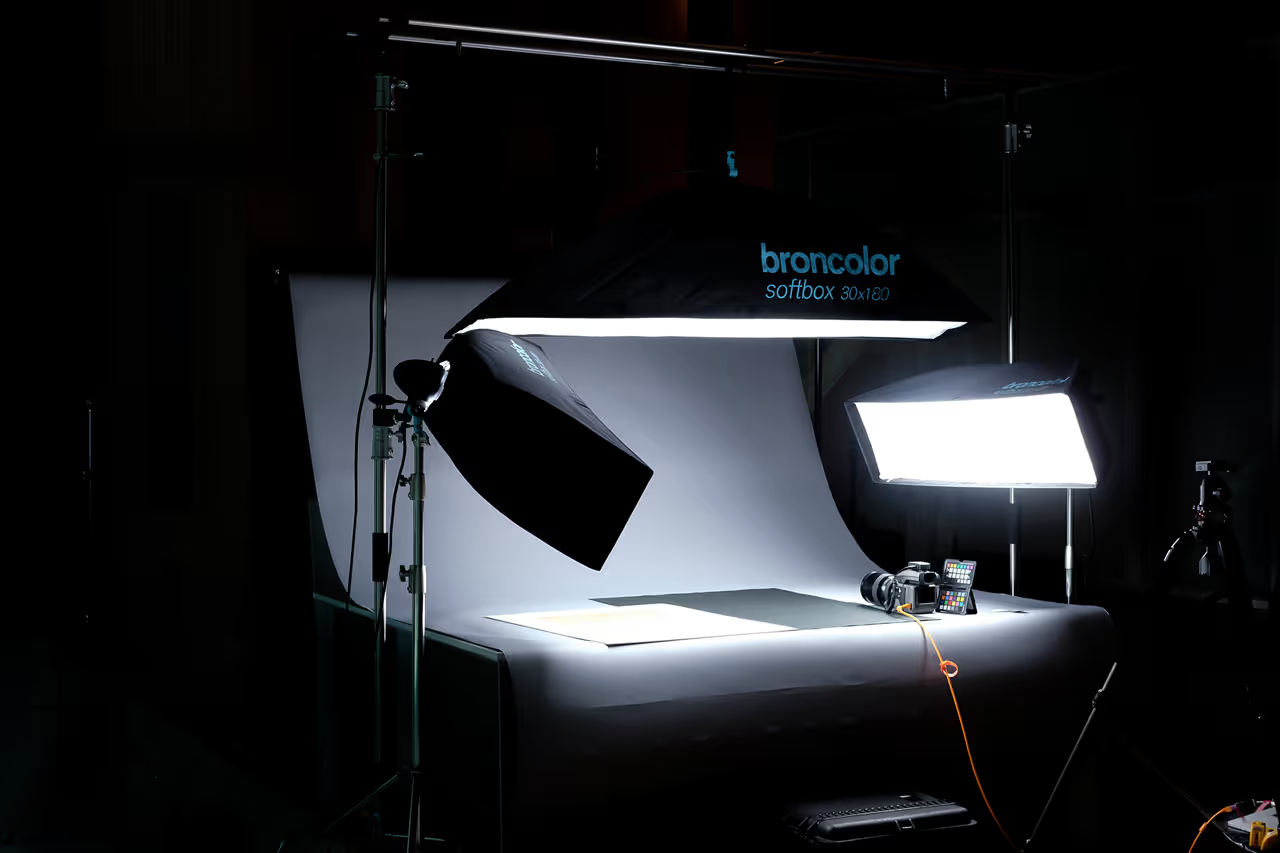
My digitization practice is built on measurable accuracy and repeatability, ensuring reliable digital surrogates suitable for museum and archival contexts.

All digital outputs are produced as long-term preservation assets, not presentation images.

Digitization is treated as a structured documentation process, with information embedded directly into the digital assets.
Each project includes verification, security, and transparency, meeting institutional requirements and best practices.
Turning Complexity into Clarity
Digitizing a large, multi-type collection is a high-stakes endeavor. Each object has intrinsic value, fragility, and historical significance. A strategic assessment ensures the project is executed efficiently, safely, and with measurable impact.
Not all objects are created equal—or equally urgent for digitization.
Outcome: A roadmap that balances urgency, resources, and long-term objectives.
Digitization should never compromise object integrity.
Outcome: Safe handling protocols that protect the collection and comply with museum standards.
Large collections require repeatable, efficient, and auditable workflows.
Outcome: A system where speed never compromises accuracy or fidelity.
Ensures the collection is captured at museum-grade quality:
Outcome: A digital infrastructure that preserves fidelity, supports research, and protects against obsolescence.
Every large-scale digitization project carries operational and technical risks:
Outcome: Reduced operational risk and confidence in both the physical and digital integrity of the collection.
Digitization is an investment—its impact should be measurable:
Outcome: A digital infrastructure that preserves fidelity, supports research, and protects against obsolescence.
A strategic assessment ensures your museum’s large collection is digitized intelligently, safely, and sustainably—not just photographed. Each stage is planned, each object is evaluated, and every file produced has purpose, context, and enduring value.
Large-scale documentation built on standardized setups and efficient workflows

Advanced computational techniques that reveal the invisible

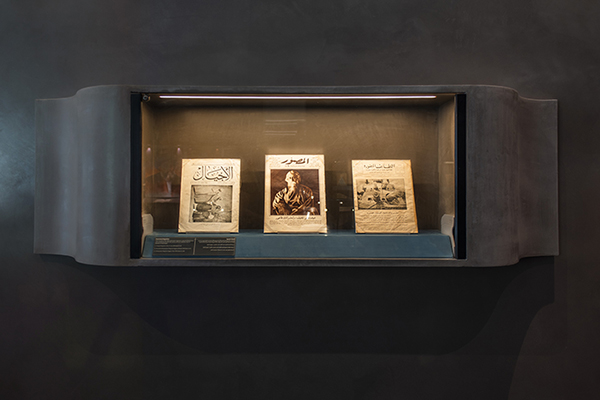
Documentation of museum interiors, spatial design, and window displays
George Shahda works as a technical digitization partner, not a short-term vendor.
Projects are structured to deliver consistent, preservation-ready digital assets that align with institutional strategies and long-term collection goals.
Museums benefit from
Structured, phased digitization programs
Long-term technical continuity and consistency
Guidance for future digitization and system integration
Alignment with institutional digital preservation strategies


Why Work With Me
I operate as a digitization specialist, not a photography vendorMy workflows are designed for collections, not individual imagesI deliver digital assets suitable for long-term institutional useI prioritize accuracy, transparency, and auditability


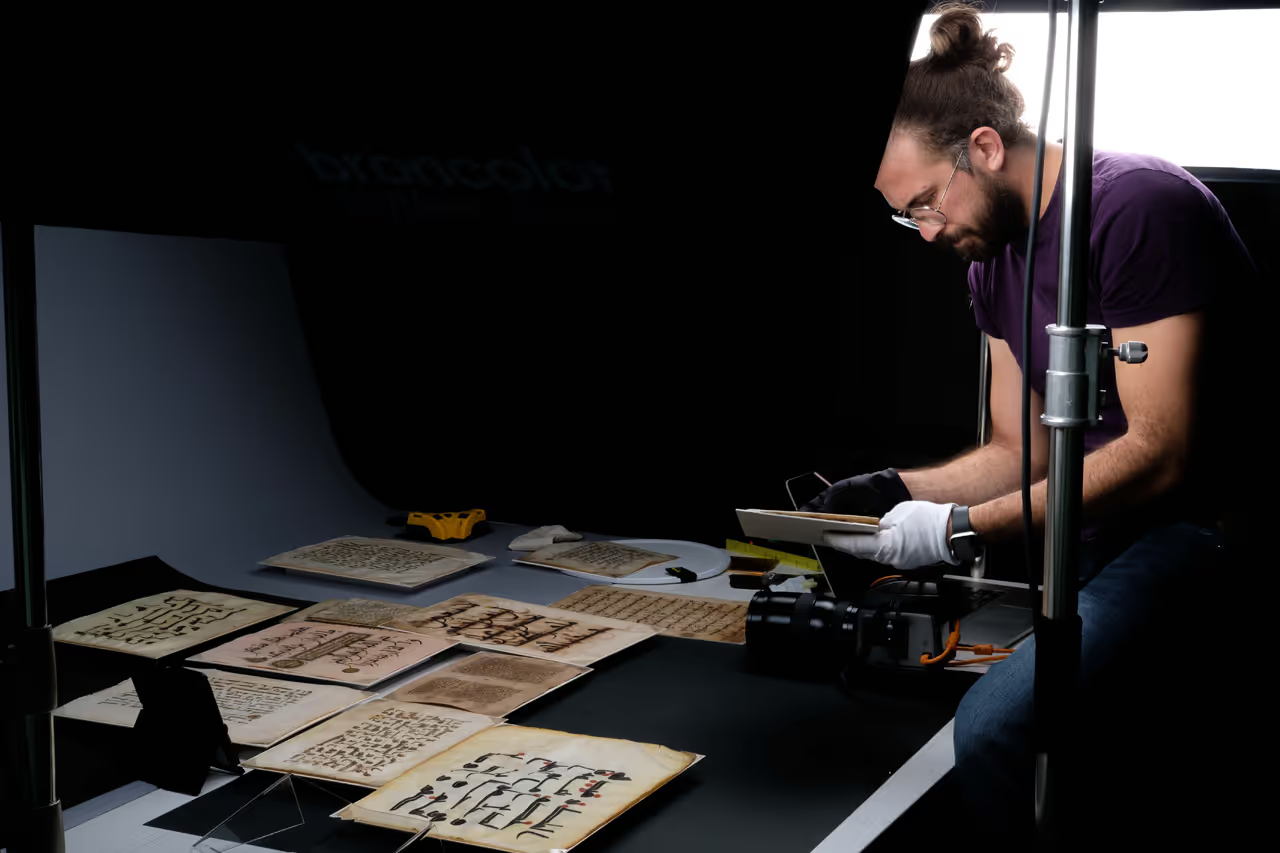





Photographer & Art Digitization Specialist
Documenting and photographing art, antiquities, collectibles, and contemporary designs.

Services are provided by Quest Imaging, a registered company in Amsterdam since 2019, specializing in high-end photography and digitization.
© Copyright 2025 George Shahda
All images and media on this website are protected by international copyright laws. Any unauthorized use, reproduction, or distribution is strictly prohibited without prior written permission.


.svg)