









Museums today require a comprehensive, standards-driven approach to managing and preserving their collections.
Museum-grade photography, large-scale digitization, advanced imaging, and spatial documentation—supported by structured metadata and archival workflows—transform collections into accurate, accessible, and long-term digital assets for conservation, research, and institutional development.

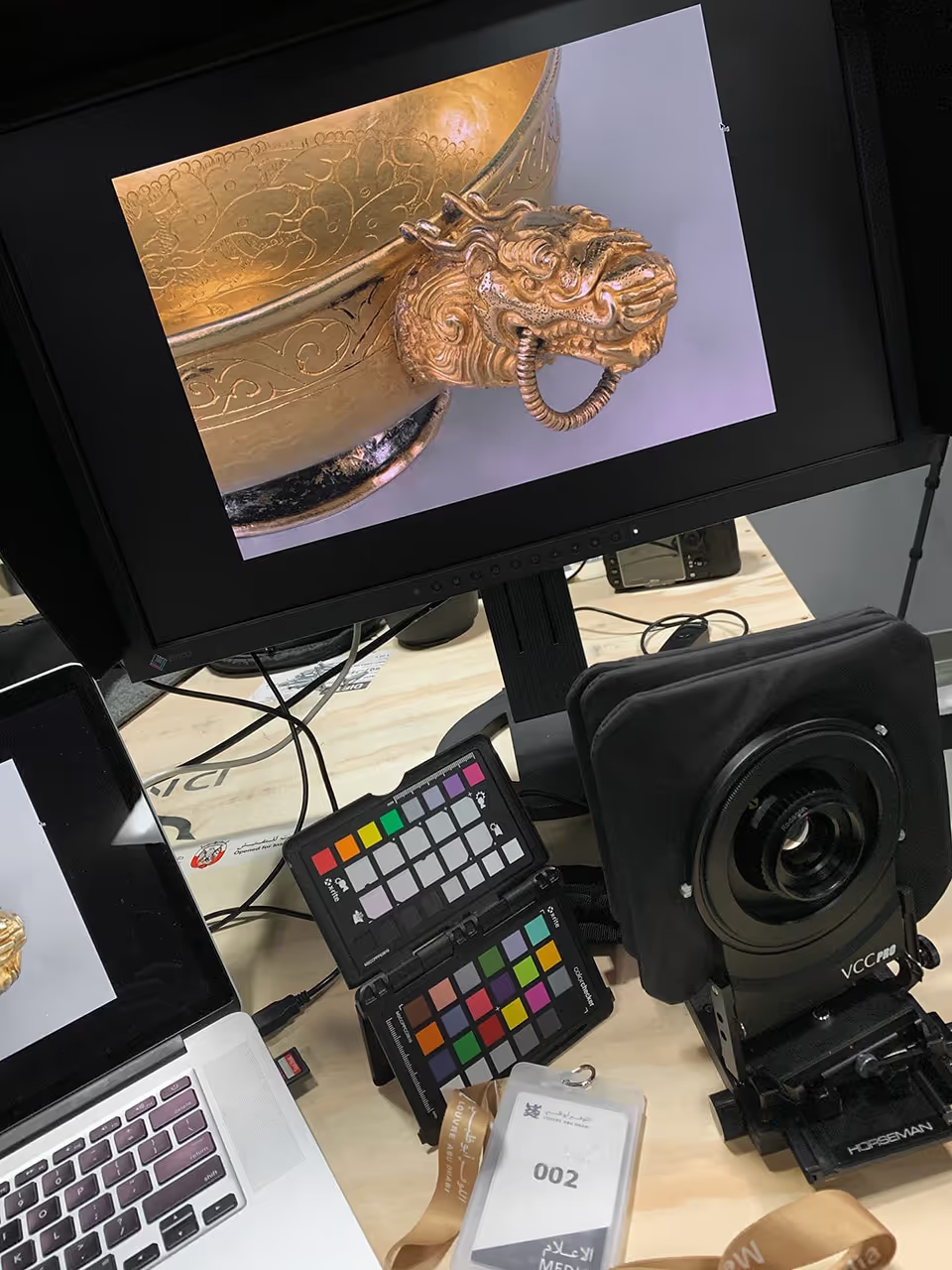
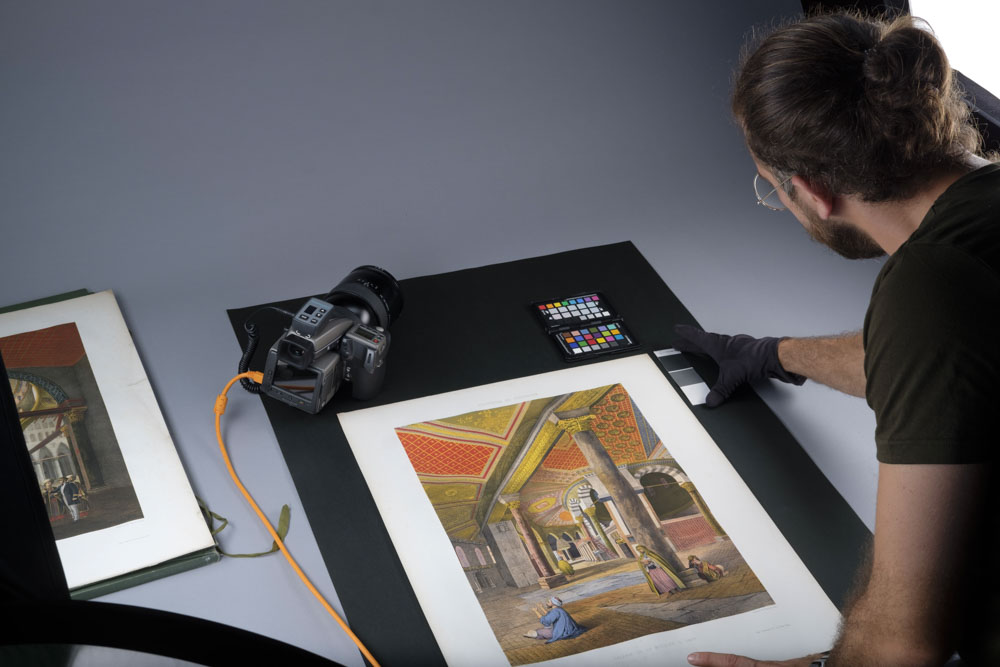
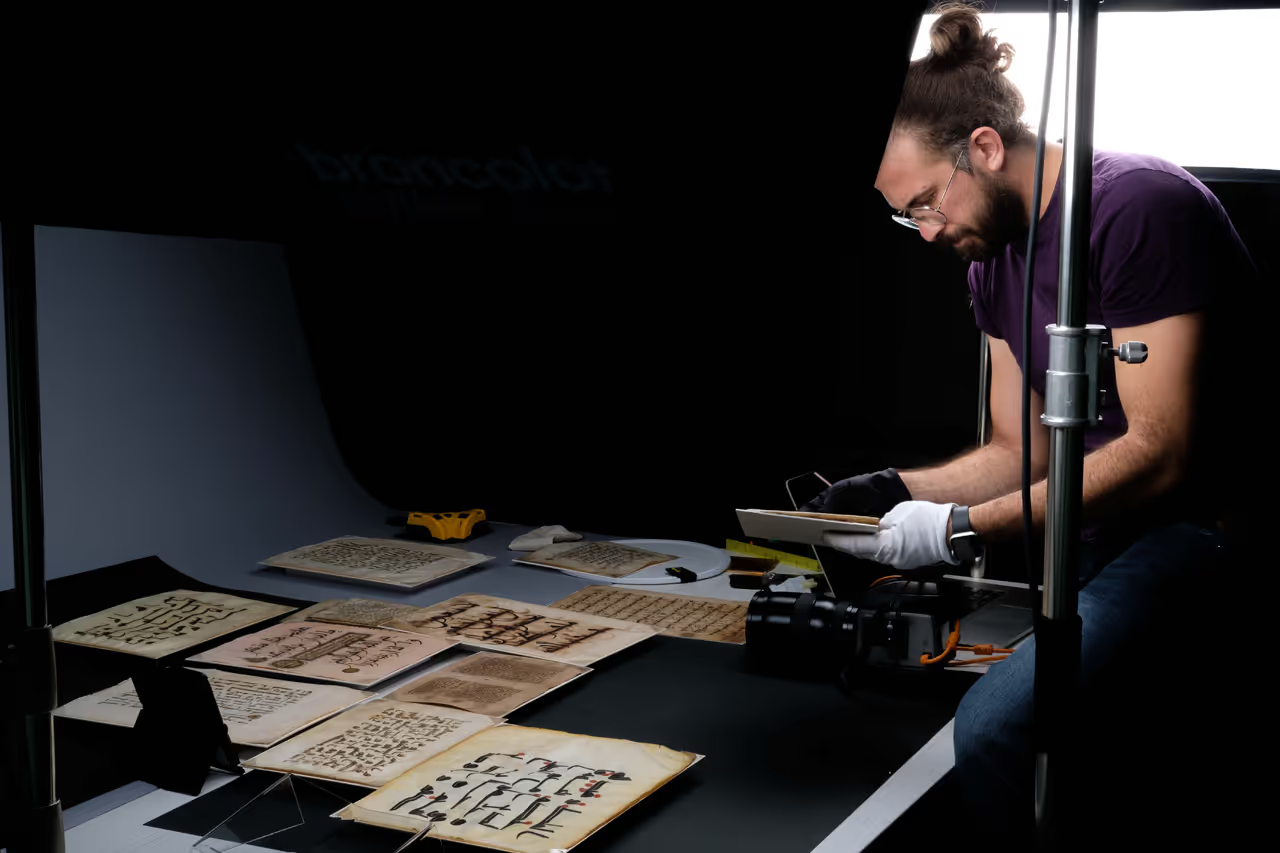
I partner with institutions to create preservation-grade digital surrogates. These are files so chemically and spatially accurate that they can be used for scientific analysis, reducing the need to handle fragile originals. My workflow strictly adheres to FADGI 4-Star, Metamorfoze, and ISO 19264standards.

Large-scale documentation built on standardized setups and efficient workflows

Advanced computational techniques that reveal the invisible

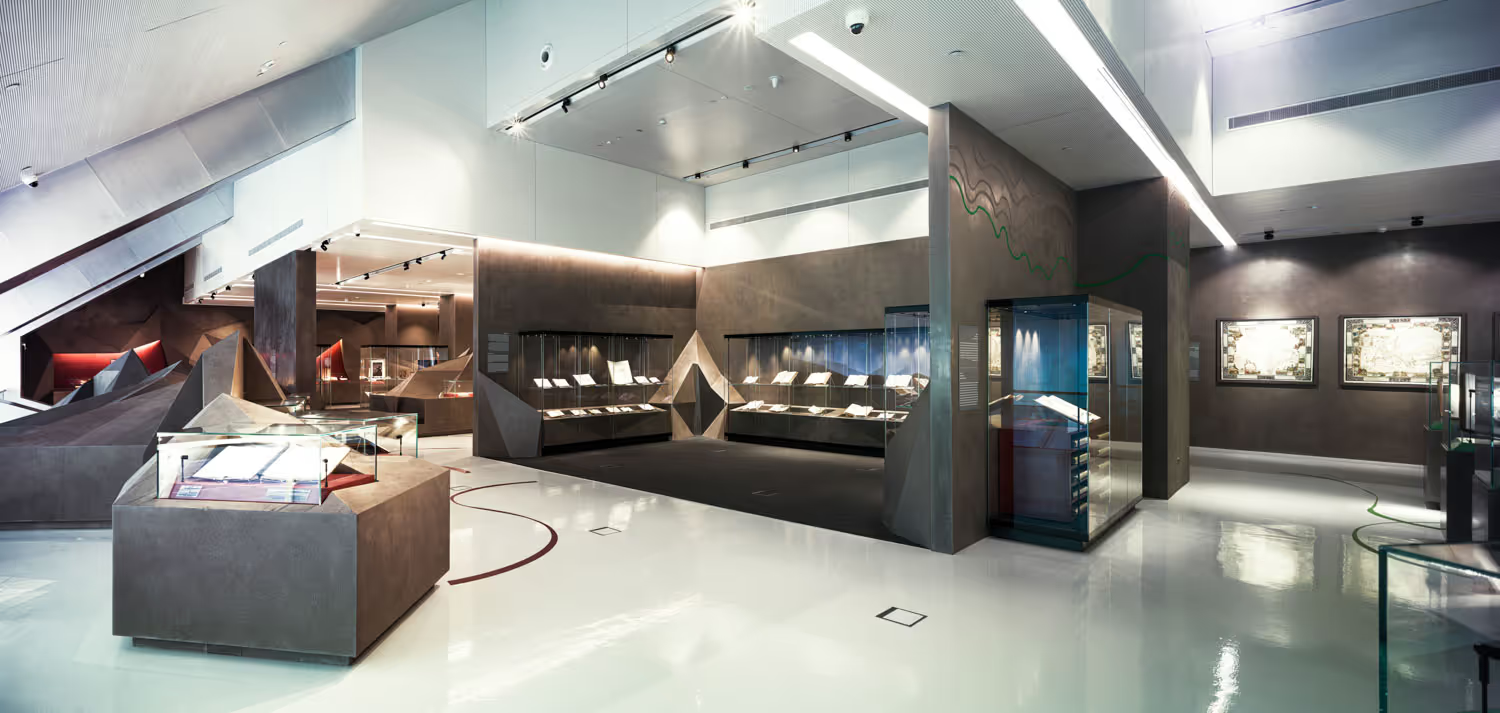
Documentation of museum interiors, spatial design, and window displays
George Shahda works as a technical digitization partner, not a short-term vendor.
Projects are structured to deliver consistent, preservation-ready digital assets that align with institutional strategies and long-term collection goals.
Museums benefit from
Structured, phased digitization programs
Long-term technical continuity and consistency
Guidance for future digitization and system integration
Alignment with institutional digital preservation strategies


Why Work With Me
I operate as a digitization specialist, not a photography vendorMy workflows are designed for collections, not individual imagesI deliver digital assets suitable for long-term institutional useI prioritize accuracy, transparency, and auditability
Archival-quality digitization of vast collections and archives
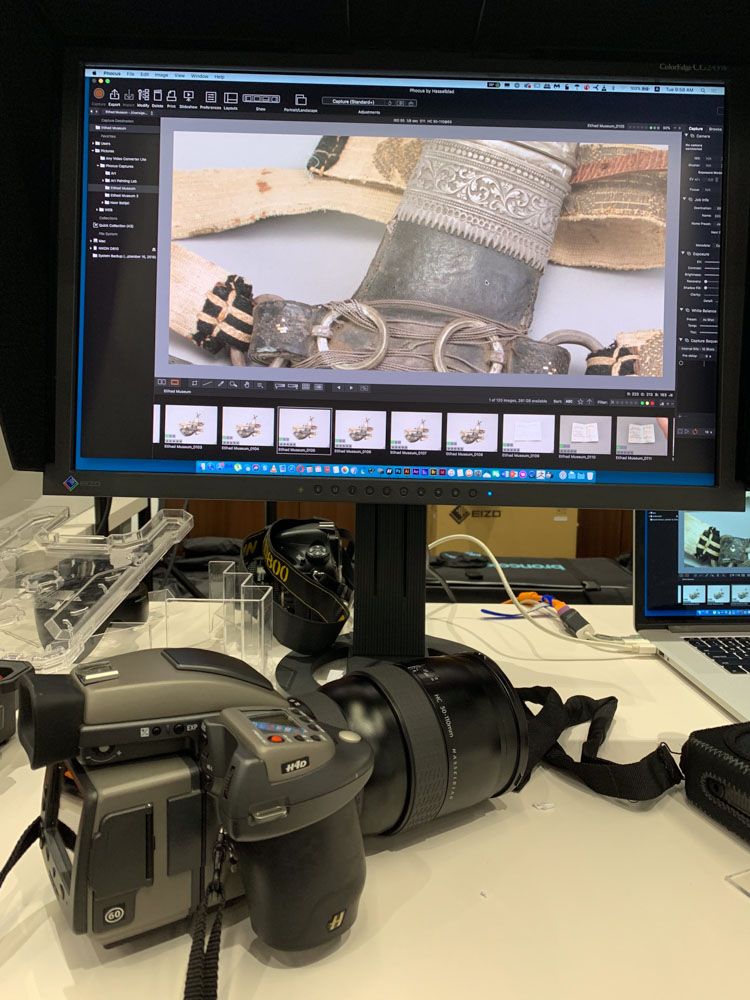
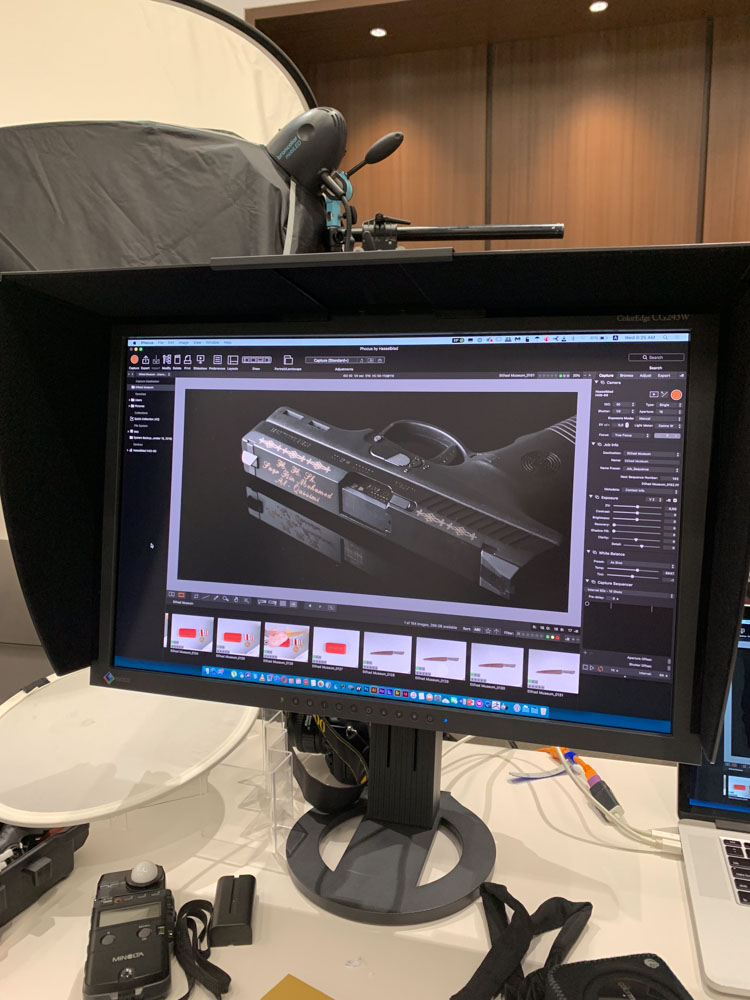
Efficient documentation of large collections using fixed imaging setups, live metadata capture, and repeatable workflows aligned with museum standards.
execute museum-grade digitization workflows that transform physical artworks and artifacts into accurate, structured, and long-term digital assets.
Advanced computational techniques that reveal the invisible

For oversized maps, tapestries, or murals, a single capture is insufficient. I utilize robotic panoramic heads to capture hundreds of high-magnification macro tiles. These are algorithmically stitched into a single Gigapixel image (1,000MP+)

Ultraviolet (UV) Fluorescence: Captures the glow of organic materials (mold, varnish, adhesives) to map restoration history.Infrared (IR) Reflectography: Penetrates surface pigments to reveal carbon-based under-drawings or sketches hidden beneath the paint

The camera remains fixed while light is projected from various angles around the object. The software compiles a surface map that allows the user to "move" the virtual light source on their screen

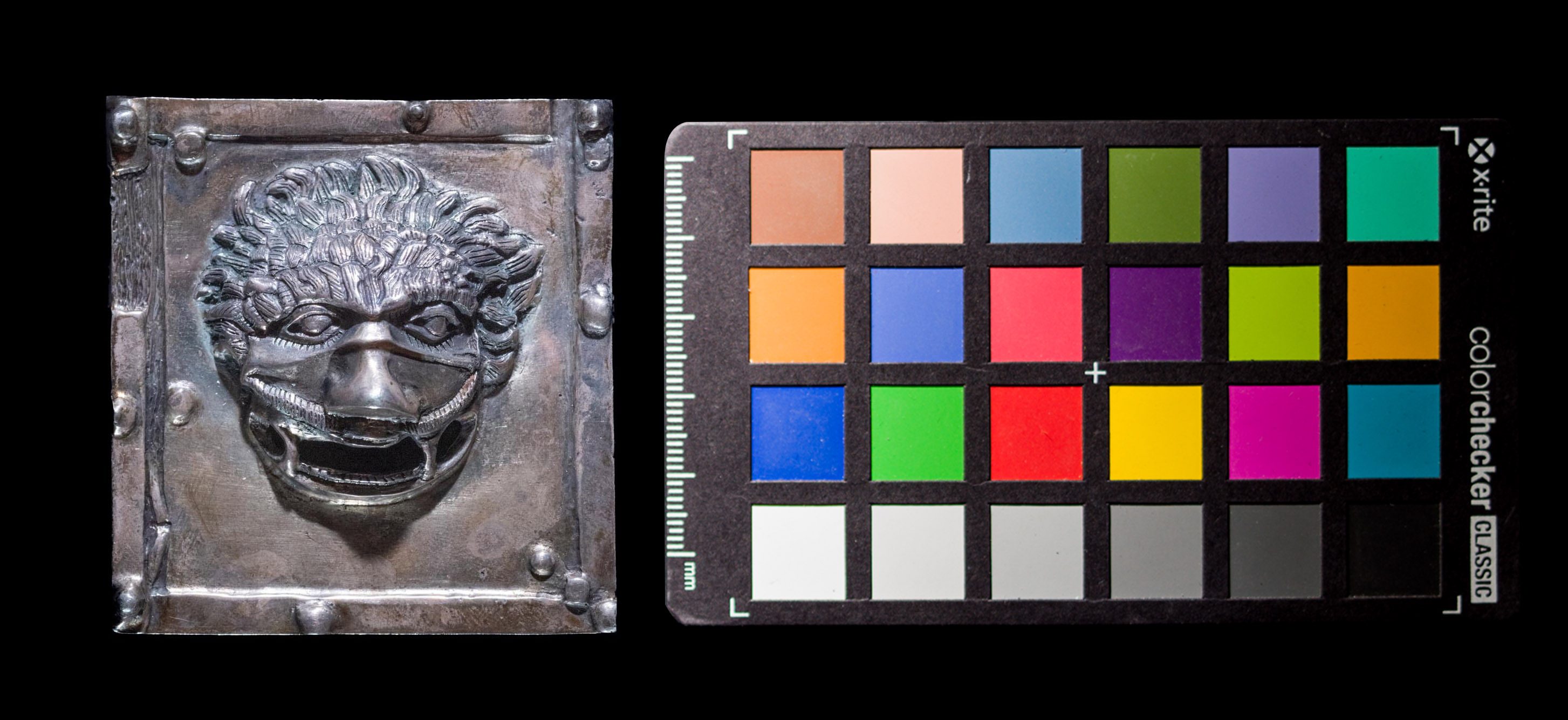
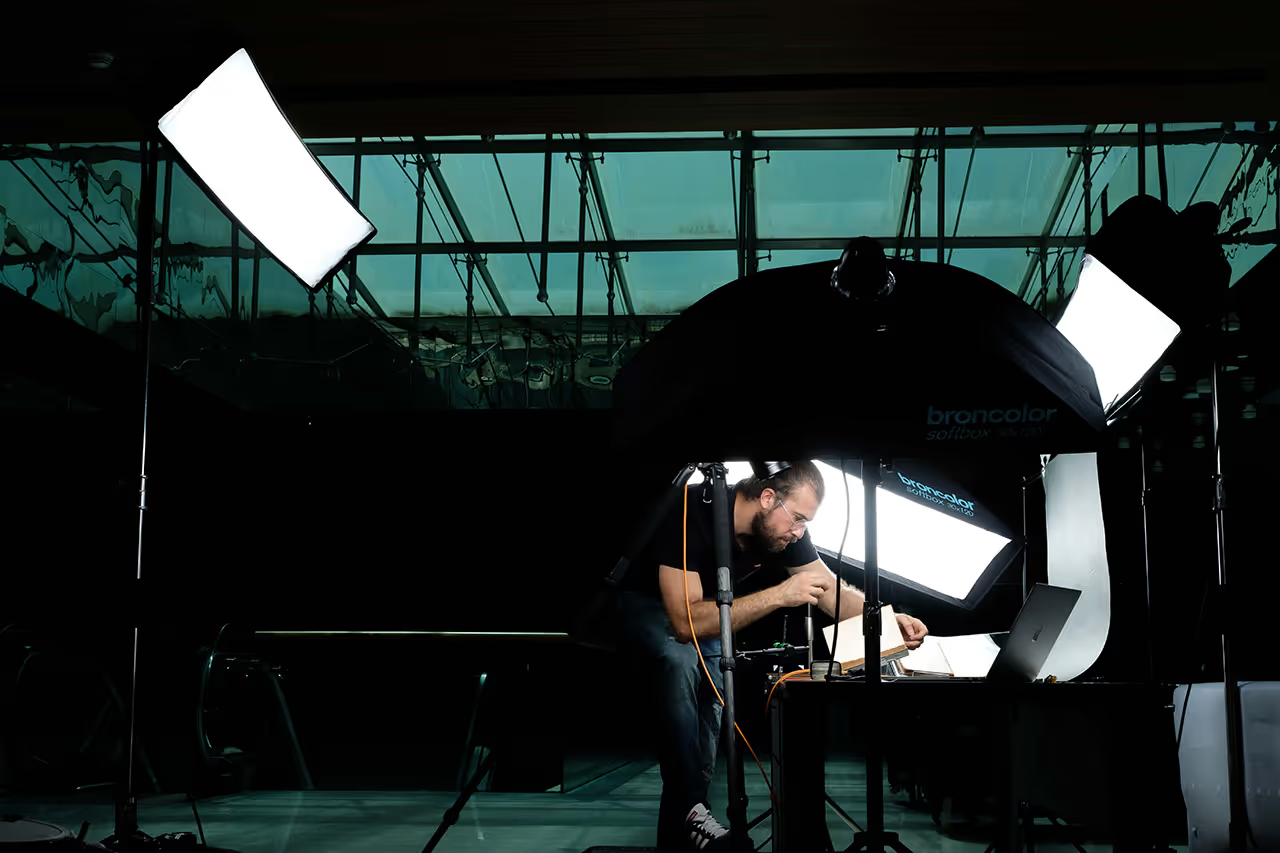
A specialized lighting setup removes reflections and shadows, delivering evenly lit, high-resolution, color-calibrated images
Documentation of museum interiors, spatial design, and window displays
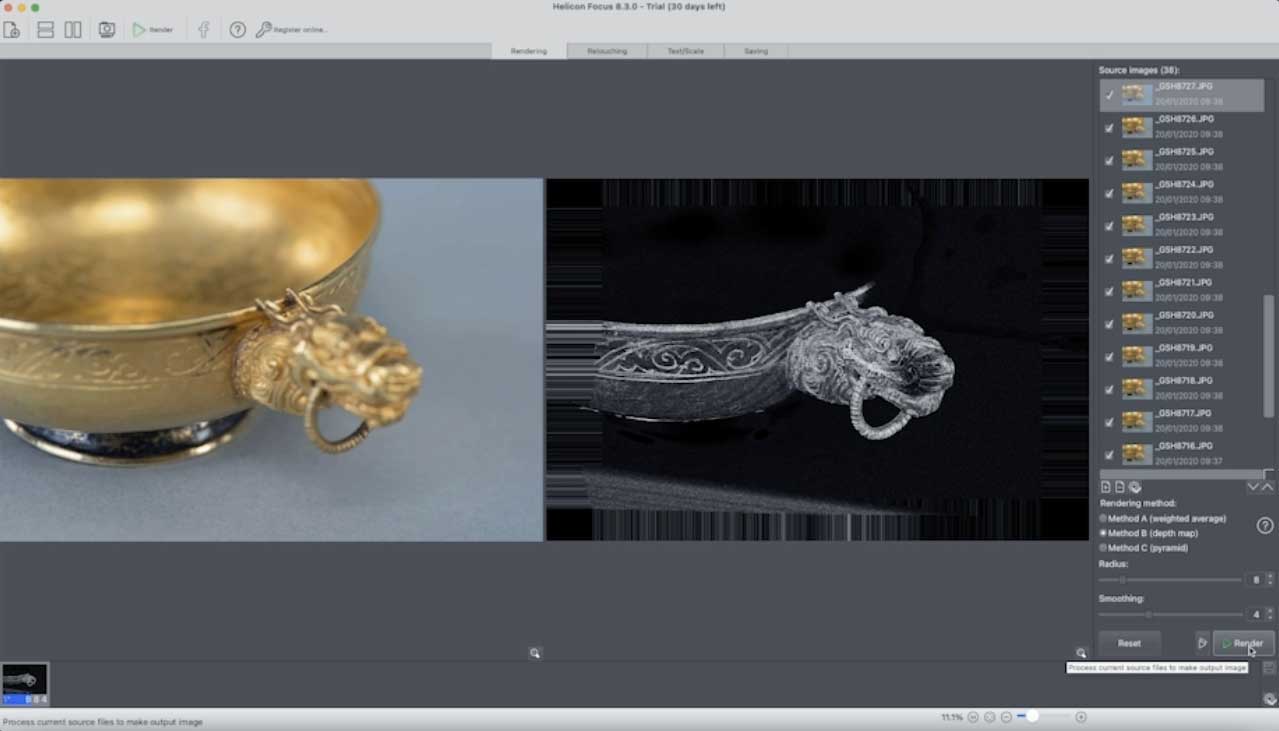
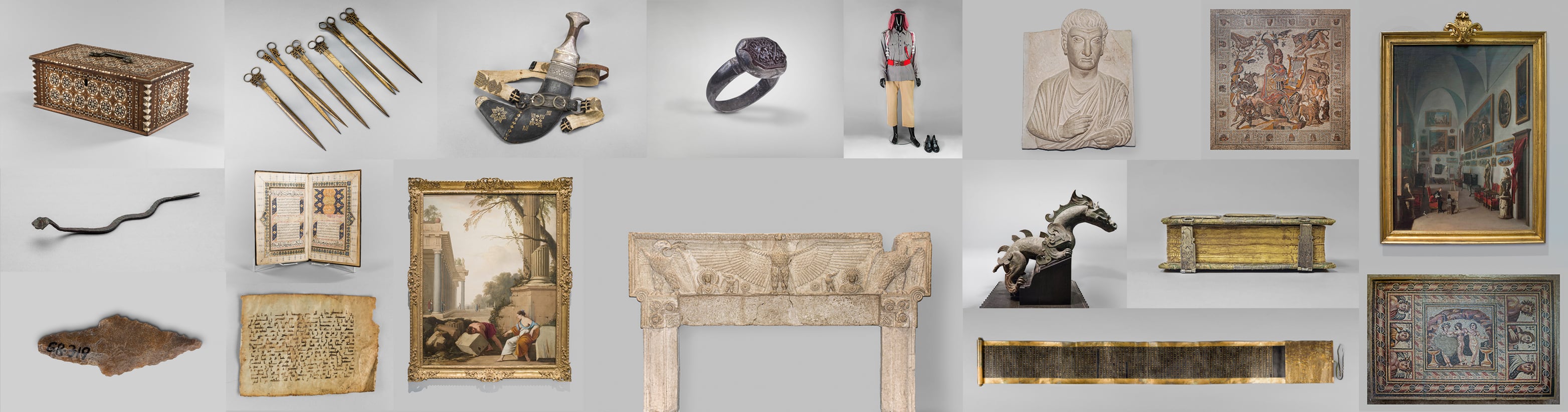
Applied to coins, jewelry, fossils, and small sculptures. Multiple images are captured at shifting focus distances and merged into one fully sharp image with extended depth of field, enabling precise analysis and classification

Cultural heritage objects are captured through calibrated photos from all angles and reconstructed into accurate, textured 3D models for conservation, research, VR/AR, and digital archiving

The camera remains fixed while light is projected from various angles around the object. The software compiles a surface map that allows the user to "move" the virtual light source on their screen

A specialized lighting setup removes reflections and shadows, delivering evenly lit, high-resolution, color-calibrated images
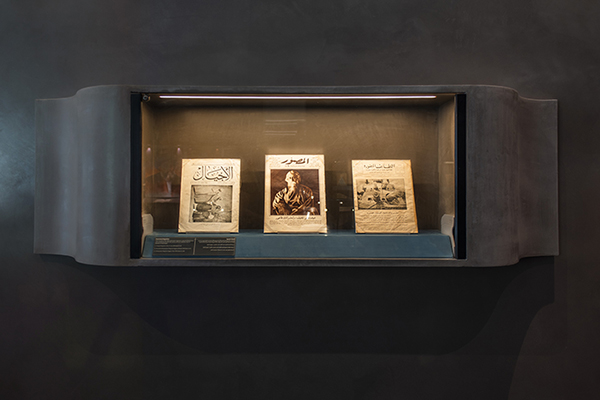
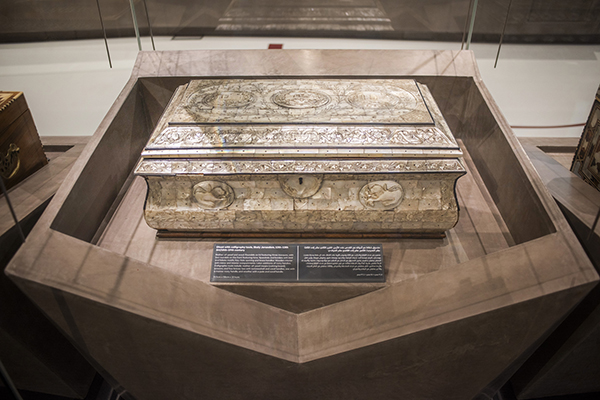
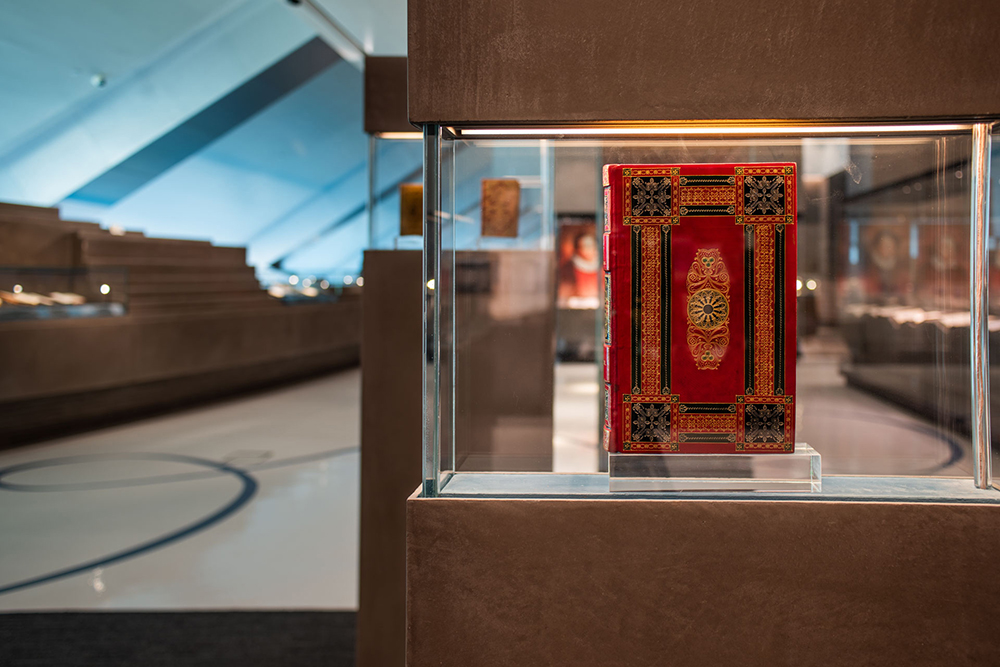
Documentation of museum interiors, spatial design, and window displays

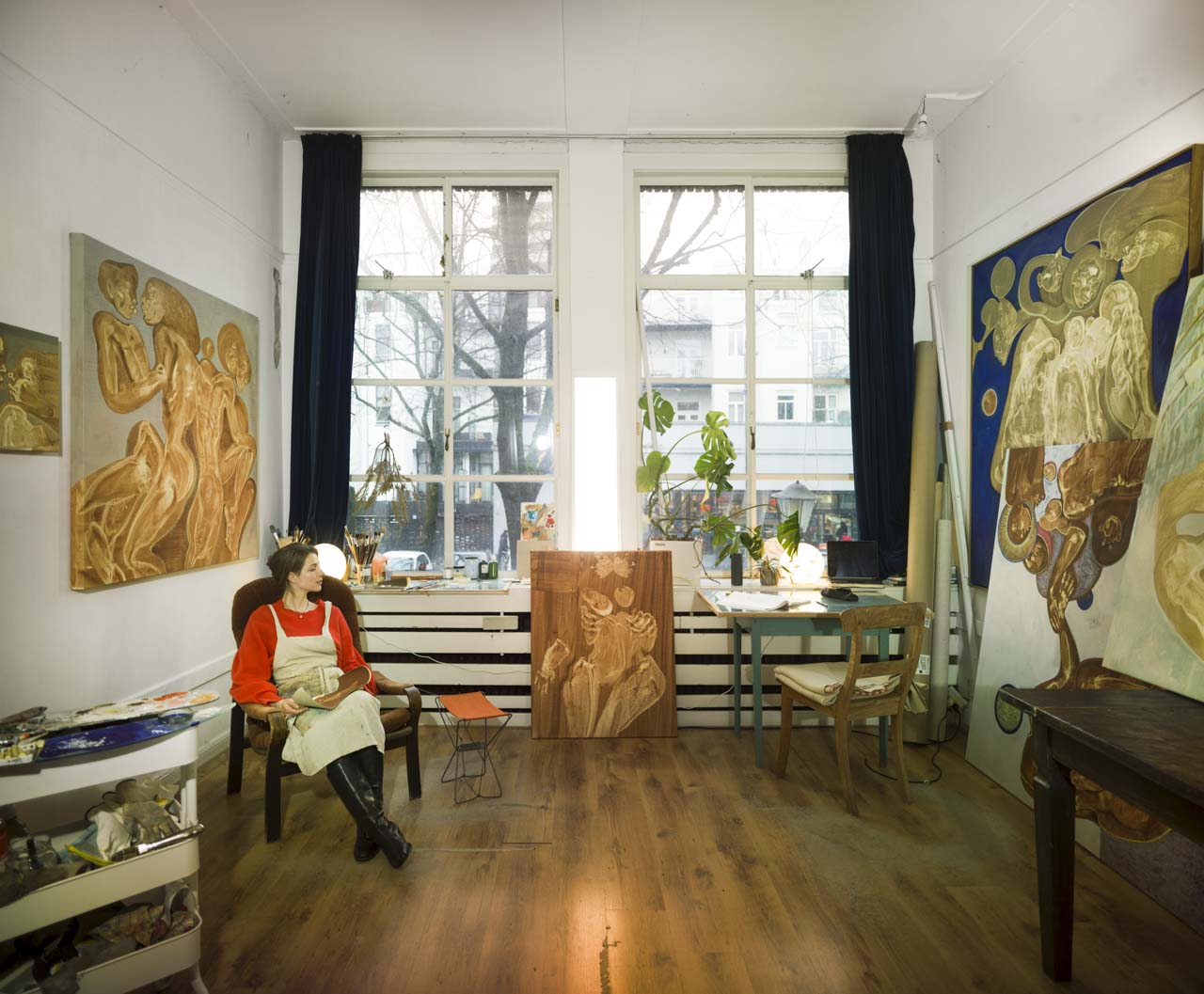
Photographic documentation of museum interiors and exteriors, capturing architectural spaces, gallery layouts, and exhibition environments with accurate color and spatial representation for archival and institutional use.
Focused documentation of window displays and objects within vitrines, capturing presentation, lighting, and curatorial arrangement with controlled reflection and high visual clarity.
Museums benefit from:
Structured, phased digitization programs
Long-term technical continuity and consistency
Guidance for future digitization and system integration
Alignment with institutional digital preservation strategies
Why Work With Me
I operate as a digitization specialist, not a photography vendorMy workflows are designed for collections, not individual imagesI deliver digital assets suitable for long-term institutional useI prioritize accuracy, transparency, and auditability






Photographer & Art Digitization Specialist
Documenting and photographing art, antiquities, collectibles, and contemporary designs.

Services are provided by Quest Imaging, a registered company in Amsterdam since 2019, specializing in high-end photography and digitization.
© Copyright 2025 George Shahda
All images and media on this website are protected by international copyright laws. Any unauthorized use, reproduction, or distribution is strictly prohibited without prior written permission.


.svg)